✴️Studies reveal that✴️swallowing your partner’s semen…Read More
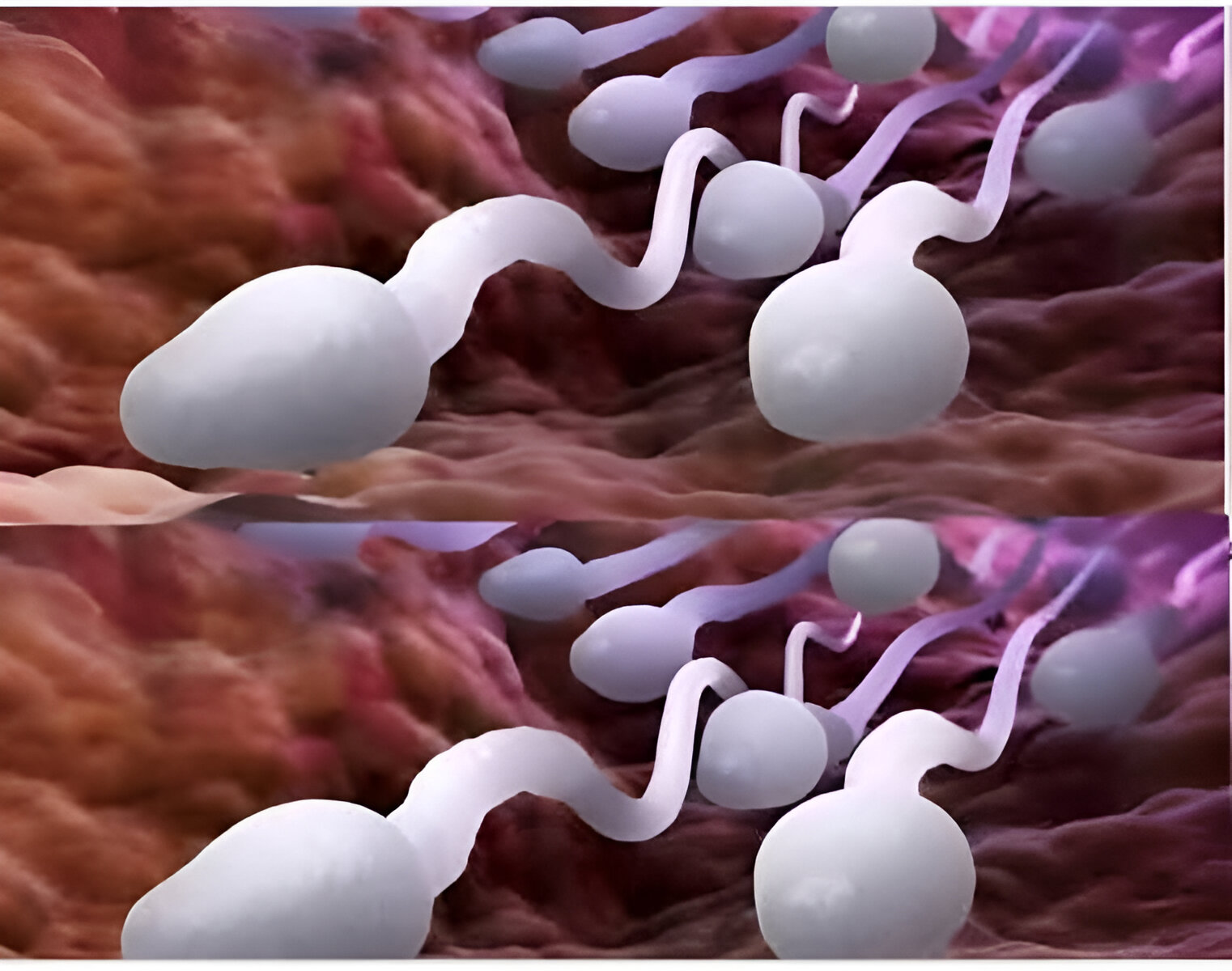
What Science Says About Swallowing Semen: Surprising Health and Emotional Impacts
Over the years, sexual health researchers have investigated many aspects of intimacy and its impact on physical and emotional well-being. One such topic that has sparked both curiosity and controversy is the act of swallowing semen. While it may be a taboo subject in some circles, scientific studies have revealed that this practice might have some surprising biological and emotional effects.
The Composition of Semen
Before diving into the studies, it’s important to understand what semen is made of. Semen is more than just sperm; it’s a complex fluid composed of water, enzymes, fructose, proteins, vitamins (like vitamin C and B12), minerals such as zinc and magnesium, and other trace elements. Its primary biological function is reproductive, but these components also suggest potential health-related interactions with the body.
Emotional and Hormonal Effects
One of the more surprising studies came from the State University of New York at Albany, where researchers found that women who had unprotected sex and were exposed to semen showed lower levels of depression. The study proposed that semen contains mood-altering hormones such as cortisol, estrone, prolactin, oxytocin, and serotonin. These hormones, when absorbed through the vaginal walls or possibly ingested orally, could influence mood and emotional state.
While the findings are still being discussed and debated in the scientific community, the suggestion is that exposure to semen might have subtle mood-enhancing effects, at least in some women. It’s crucial to point out, however, that these findings should never be used to pressure anyone into sexual acts—they simply open the door to understanding how intimacy and mental health may sometimes be more connected than we realize.
Immune System and Potential Allergies
Another aspect being researched is how semen interacts with the immune system. In some long-term relationships, consistent exposure to a partner’s semen might actually reduce allergic reactions to it. This adaptation process could benefit couples trying to conceive, especially in cases where the woman’s body initially reacts negatively to her partner’s sperm.
However, it’s worth noting that a small number of individuals may be allergic to semen, a condition known as human seminal plasma hypersensitivity. Symptoms can include itching, swelling, and difficulty breathing. In such cases, exposure—whether vaginal or oral—should be carefully monitored with medical guidance.
Nutritional Value?
Some articles and online forums tout the “nutritional benefits” of semen, citing its protein and mineral content. While it’s true that semen contains small amounts of protein, zinc, and other nutrients, the quantities are so minimal that it wouldn’t make a measurable impact on one’s daily nutritional intake. So, while technically true, swallowing semen is not a substitute for a balanced diet.
Safety First: The Importance of STI Awareness
As with any sexual activity, safety should always be a priority. Semen can carry sexually transmitted infections (STIs) including HIV, gonorrhea, chlamydia, and herpes. Oral transmission of STIs is possible, so practicing safe sex—especially in non-monogamous relationships or when STI status is unknown—is critical. Using protection, regular testing, and open communication with partners are essential components of a healthy sexual relationship.
Final Thoughts
While the idea of swallowing semen may be uncomfortable for some and natural for others, it’s important to approach the topic without shame or judgment. Scientific studies have shown there may be minor hormonal and emotional effects associated with exposure to semen, and in long-term, trusting relationships, it might even have some benefits. However, personal comfort, consent, and safety should always take precedence.
Sexual health is deeply personal, and informed choices are key. Understanding what science says helps us make those choices with clarity, whether it’s about emotional intimacy, physical health, or simple curiosity.
IF your dog🦮🦮 is sniffing your genital area, it means you have…See more

Why Does Your Dog Sniff Your Private Areas?
Dogs have an incredible sense of smell, estimated to be anywhere from 10,000 to 100,000 times more powerful than that of humans. While their sniffing behavior is often amusing or embarrassing, it is entirely natural. If your dog is sniffing your genital area, there is a scientific reason behind it.
Understanding a Dog’s Sense of Smell
Dogs rely on their noses to gather information about their surroundings and the people they encounter. They possess a special organ called the Jacobson’s organ (vomeronasal organ), which allows them to detect chemical signals known as pheromones. These pheromones convey crucial details about a person’s hormonal changes, emotional state, and even health conditions.
Humans also emit unique scents through sweat glands located in various parts of the body, including the genital and groin regions. Because these areas contain a high concentration of sweat glands (apocrine glands), they produce strong pheromones that are particularly intriguing to dogs.
What Your Dog Detects When Sniffing Your Private Areas
If your dog is frequently sniffing your groin or genital area, it might be picking up on one or more of the following:
1. Hormonal Changes
Dogs can detect changes in your body’s hormones, such as those that occur during:
- Menstruation – Many dog owners report their pets acting differently when they are on their period. This is because hormonal fluctuations produce new scents that intrigue dogs.
- Pregnancy – A pregnant woman’s body undergoes significant hormonal shifts, releasing new pheromones that dogs can smell even before she is aware of her pregnancy.
- Ovulation – Some dogs may show increased interest in women during ovulation due to heightened pheromone production.
2. Medical Conditions
Dogs have been trained to detect illnesses such as cancer, diabetes, and infections through scent. If your dog is persistently sniffing your private area, it might be picking up on signs of a yeast infection, bacterial infection, or even more serious health concerns. Studies have shown that dogs can identify cancerous cells through scent before medical tests confirm a diagnosis.
3. Recent Sexual Activity
Dogs can detect bodily fluids and hormonal changes after sexual activity. This can make them more interested in sniffing a person’s groin area, as they are naturally drawn to strong or new scents.
4. Sweat and Body Odor
Sweat contains pheromones and other chemical compounds that can be intriguing to dogs. If you’ve been sweating heavily, whether due to exercise, stress, or hot weather, your dog may be more likely to sniff your groin area out of curiosity.
5. Emotional States
Believe it or not, dogs can smell stress, fear, and anxiety. When you are anxious or stressed, your body releases stress-related pheromones. Your dog may pick up on these changes and sniff your body as a way of gathering more information about your emotional state.
Is It Normal for a Dog to Sniff There?
Yes! Sniffing is how dogs gather information about people and animals. It is the canine equivalent of shaking hands or asking someone how they’re doing. Although it may feel awkward, it is a completely natural behavior.
However, if your dog becomes excessively fixated on sniffing your private areas, it may be helpful to redirect their behavior with training.
How to Discourage This Behavior
If your dog’s sniffing makes you uncomfortable, here are some ways to reduce or redirect the behavior:
1. Teach the “Leave It” Command
Train your dog to respond to the “leave it” or “no sniffing” command. Reward them when they listen to reinforce good behavior.
2. Encourage Alternative Greeting Behaviors
Dogs use sniffing as a way of greeting people. Encourage them to sniff your hands instead of your groin when meeting someone new.
3. Avoid Encouraging Overexcited Behavior
If your dog gets overly excited when meeting people, try keeping greetings calm and low-energy. This reduces excessive sniffing behavior.
4. Maintain Good Hygiene
Regular showers and wearing clean clothes can minimize strong body odors that might attract a dog’s nose.
5. Redirect Their Attention
If your dog starts sniffing inappropriately, redirect their attention with a toy, treat, or command to focus on something else.
When to Be Concerned
If your dog suddenly starts sniffing your private area more than usual, and especially if they seem fixated on a particular spot, it might be a good idea to schedule a medical check-up. Some dogs have detected infections or diseases in their owners before doctors did.
Conclusion
A dog sniffing your genital area is a completely natural behavior based on their heightened sense of smell. They do this to gather information about hormonal changes, medical conditions, and emotional states. While it might feel embarrassing, it is a sign of their natural curiosity and connection to you. If the behavior becomes excessive, training and redirection can help manage it.
So next time your dog sniffs your private area, don’t be alarmed—your furry friend is just trying to learn more about you!